

ultra transparent glass
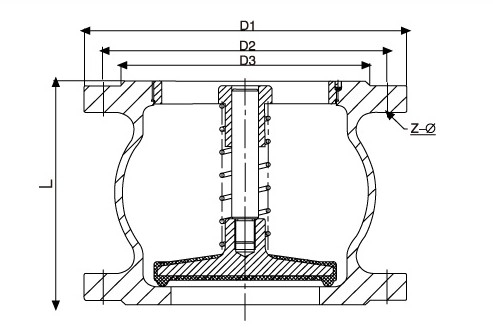
Introduction to the Slow-Closing Check Valve The slow closing check valve is a critical component in modern hydraulic systems, designed to control the flow of fluids while minimizing the impact of water hammer. This innovative valve, developed by Storaen (Cangzhou) International Trading Co., combines a novel structure with superior engineering to ensure good sealing effect, low resistance, and large flow capacity. Its ability to adjust the speed of opening or closing the main valve allows for optimal performance in diverse industrial applications. For more details, visit the product page . Key Features and Advantages The slow closing check valve stands out due to its unique design and functionality. Here are some of its core features: Novel Structure: The valve’s innovative design ensures efficient fluid control and minimal turbulence. Excellent Sealing: Advanced sealing technology prevents leaks, even under high-pressure conditions. Low Resistance: Optimized flow paths reduce energy loss, enhancing system efficiency. Large Flow Capacity: The valve accommodates high-volume fluid movement without compromising performance. Long Service Life: Durable materials and robust construction ensure reliable operation over extended periods. Adjustable Speed Control: Users can fine-tune the valve’s closing speed to match specific operational requirements. Water Hammer Mitigation: The valve’s design effectively reduces the impact of water hammer, protecting downstream equipment. For a deeper understanding of check valve types, explore the product page . Technical Specifications Parameter Details Model 300X Slow-Closing Muffler Check Valve Material Stainless Steel, Cast Iron (depending on application) Pressure Rating Up to 150 psi (varies by model) Flow Rate High capacity, optimized for minimal resistance Sealing Mechanism Advanced elastomeric or metal-to-metal sealing Adjustable Speed Manual or automated control options Service Life 5-10 years with regular maintenance Applications and Use Cases The slow closing check valve is widely used in industries where precise fluid control is essential. Key applications include: Water Supply Systems: Prevents backflow and reduces pressure surges in municipal and industrial water networks. Industrial Pumps: Ensures smooth operation and protects pumps from damage caused by sudden flow reversals. HVAC Systems: Maintains stable fluid flow in heating, ventilation, and air conditioning systems. Oil and Gas Pipelines: Controls fluid flow in high-pressure environments, minimizing risks of leaks and system failures. Power Generation: Enhances the efficiency and safety of hydraulic systems in power plants. For insights into hydraulic check valve types, visit the product page . Company Background: Storaen (Cangzhou) International Trading Co. Storaen (Cangzhou) International Trading Co. is a leading provider of high-quality industrial components, specializing in hydraulic and pneumatic systems. With a focus on innovation and customer satisfaction, the company has established itself as a trusted partner for businesses worldwide. Their commitment to check valve types and applications ensures that their products meet the highest standards of performance and reliability. Learn more about Storaen (Cangzhou) International Trading Co. on their company page . Industry Standards and Compliance As a leader in industrial solutions, Storaen (Cangzhou) International Trading Co. adheres to global standards for hydraulic components. The slow closing check valve is designed to comply with rigorous testing protocols, ensuring safety and efficiency in diverse environments. According to the National Institute of Standards and Technology (NIST), "Precision measurements and research fuel innovation and improve the quality of life for all Americans" (NIST, 2025). This aligns with the company’s dedication to excellence. Reference: NIST Official Website Conclusion The slow closing check valve from Storaen (Cangzhou) International Trading Co. represents a significant advancement in hydraulic technology. With its novel structure, excellent sealing, and adjustable speed control, this valve addresses critical challenges in fluid management systems. Whether in water supply networks, industrial pumps, or power generation, the slow closing check valve delivers unmatched performance and durability. For more information on check valve types and applications, visit the product page .
about
ultra transparent glass
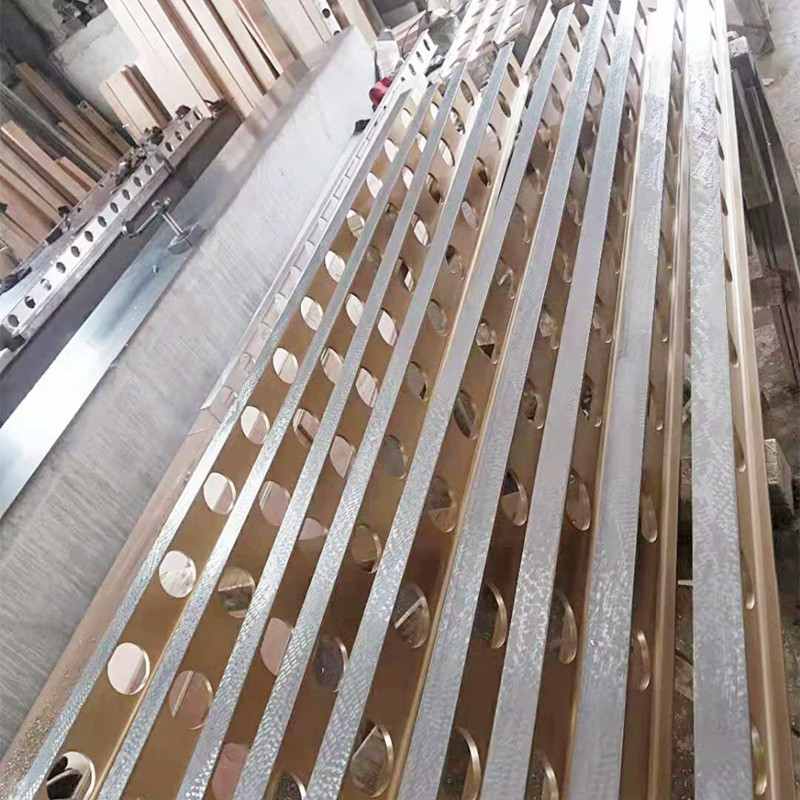
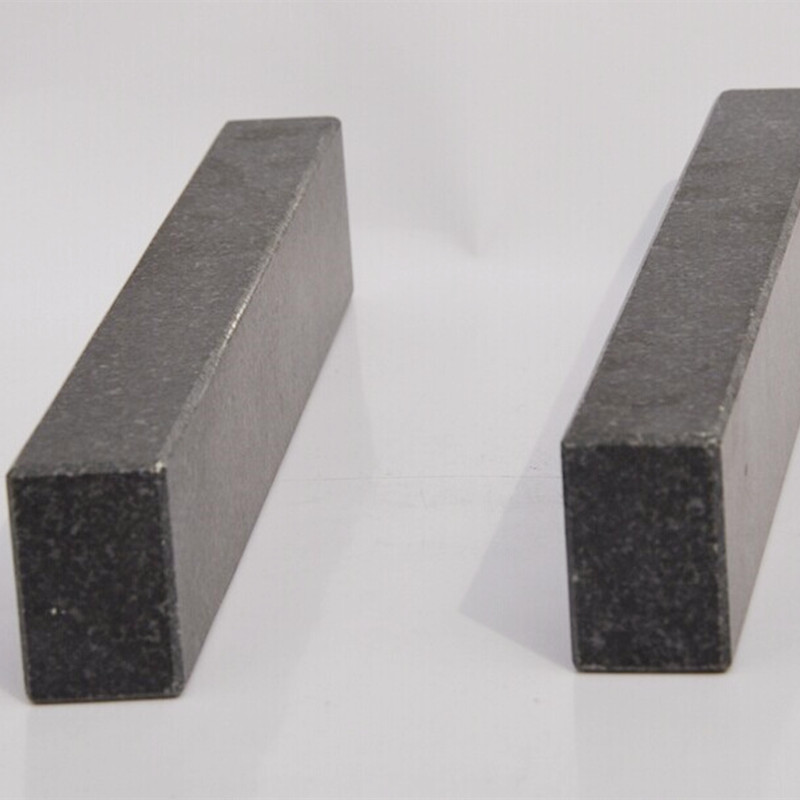
Understanding Precision Frame Level in Modern Manufacturing In the realm of manufacturing and engineering, the term precision frame level has become increasingly pivotal. As industries worldwide evolve, the need for precision and accuracy in production processes has grown significantly. It is essential to delve into this topic, exploring its mechanisms, its importance in various sectors, and the technologies that underpin its application. What is Precision Frame Level? Precision frame level refers to the degree of accuracy and stability in a framework used for assembly, construction, or manufacturing processes. It ensures that the elements within a frame are aligned and leveled to meet strict tolerances. In practical terms, a precision frame acts as a reference point, allowing engineers and technicians to work with confidence that their projects will yield the intended results without anomalies caused by misalignments or inaccuracies. The Importance of Precision in Manufacturing The importance of precision in manufacturing cannot be overstated. In sectors such as aerospace, automotive, and high-tech electronics, even the slightest deviation from the specified measurements can lead to catastrophic failures or costly recalls. As products become more complex, the tolerances required shrink, necessitating advanced measures to ensure that every part fits together as designed. Moreover, precision directly influences the efficiency of production processes. High levels of accuracy reduce the need for rework, which can drain resources and lead to project delays. Precision frame levels improve workflow, enhance product quality, and can contribute to cost reductions in the long term. As businesses strive for lean manufacturing principles, precision becomes a key performance indicator. Technological Innovations Enhancing Precision The evolution of technology has significantly impacted the concept of precision frame levels . High-precision tools, laser leveling systems, and computer numerical control (CNC) machines are just a few examples of innovations that are helping to achieve unprecedented levels of accuracy. precision frame level 1. Laser Leveling This technology employs laser beams to determine a reference line or point, ensuring that work surfaces are completely level. Laser levels are incredibly accurate and can cover large distances, making them ideal for construction and large manufacturing setups. 2. CNC Machines These advanced machines are capable of executing complex designs with extreme precision by following computer-generated specifications. The integration of CNC technology in manufacturing processes ensures that every cut, etch, or hole drilled aligns perfectly within the framework. 3. 3D Printing The rise of 3D printing has revolutionized how objects are created. By allowing designers to produce complex geometries with high fidelity, 3D printing supports the precision frame level by producing parts that fit precisely as intended, reducing the likelihood of errors during assembly. Applications Across Industries Various industries have adopted precision frame levels in their operations, each benefitting uniquely. In aerospace, where safety is paramount, the components of an aircraft must fit together flawlessly. A slight error can compromise the integrity of the entire vehicle. In the automotive industry, manufacturers run continuous quality checks and leverage precision frames to ensure that parts are manufacturable and fit together correctly in assemblies. The growing trend towards electric vehicles further intensifies the need for precision, as these technologies demand increasingly sophisticated designs. In construction, precision levels help to ensure that building structures are not only aesthetically pleasing but also safe and durable. A level foundation is crucial for ensuring long-term stability and preventing structural issues. Conclusion As the manufacturing landscape continues to evolve, the significance of precision frame levels will only increase. Bridging the gap between traditional assembly methods and modern technological innovations is essential for successful production. Companies that invest in precision not only improve their operational efficiency but also enhance their competitiveness in the global market. Embracing precision will pave the way for new possibilities, driving innovation and ultimately shaping the future of manufacturing.
-

High quality industrial productsagement

High quality industrial products
View Details -

Meet the diverse needs of customers

Meet the diverse needs of customers
View Details -

Strict quality control

Strict quality control
View Details -

Top raw materials

Top raw materials
View Details -

Trusted supplier

Trusted supplier
View Details
Our application

news and information

Van cầu Trung Quốc
Van cầu glob tại Trung Quốc Một cái nhìn tổng quan Van cầu glob là một loại van điều khiển lưu lượng
valve gate valve
Understanding Valve Gate Valves An Essential Component in Modern Industry In various industrial appl
Varieties of ball valves and their unique characteristics in valve industry trends
Ball valves are an essential component in various industries, including oil and gas, water treatment
 English